German
 French
 Italian
 Russian
 Guaranteed Fair Trade Organization

For Wholesale Partners
Our products and prices listed on this website are available exclusively for wholesale buyers.
Get in touch with us for more details
We were proud to have been a part of such an important step by Women in Hebron

From Women in Hebron
This past May, Women in Hebron was pleased to be part of the first World Fair Trade Organization (WFTO) Fair Trade Tour in the Holy Land. As with all the current and prospective WFTO members in Palestine, we were proud to have been a part of such an important step forward in the development of regional fair trade initiatives.
Joining WFTO is not an easy task; member organizations must prove that they are willing to set themselves to the highest possible standard in terms of both the quality of their products and the ethics of their organization. But after meeting with and working alongside such wonderful representatives of WFTO both here in Palestine and abroad, it is clear that the effort to become a fully accredited WFTO member is well worthwhile.
WFTO provides its members an opportunity to share its products and the story of the people behind these products to a global audience. Having WFTO come to Palestine helps both local and international members better understand the distinct as well as the common challenges of the world fair trade market. It is also a confirmation that we are not alone in our efforts to support our communities through producing and marketing our goods, and that our hard work will pay off with persistence and willingness to work as a team. Most of all, WFTO reminds us that we do not want people to buy our products just because they are from Palestine. We want people to buy our Palestinian products because they are the best items on the market; be it embroidery, wool carpets, olive wood, ceramics, non-perishable foods or whatever else we set our minds to producing. Together as WFTO members, we can set an example for our people and nation to follow! Thank you to everyone who joined us in May. We look forward to seeing you again on the next tour in 2019!
Women in Hebron
CRS Ethical trade website, Dee Toups, a traveler with the tour, says,

“Before this tour, I had been aware of fair trade practices in general . . . [and] the many positive, ecological and economic impacts fair trade can have on marginalized families. . . But this tour was remarkable. Never had I imagined the real, life-altering influence fair trade can have on families in places like the West Bank, where work opportunities and social interaction with the ‘outside’ world are limited. Fair trade brings an alternative to charity, and therefore brings self-reliance, dignity and self-worth. . . Most of all, in Palestine, fair trade brings hope to people who feel unwanted and forgotten. In Palestine, fair trade brings peace.”
source: https://ethicaltrade.crs.org/community-stories/ethical-vacations/
The tour revealed a beauty of the people and their land, By Paul Welch

By Paul Welch
Having visited Palestine once and reading the news about Palestine, I thought I had an adequate understanding of the plight of the Palestinians. However, the tour through Jenin, Zababdeh, Nablus, Jericho, Hebron, Bethlehem and Jerusalem revealed a beauty of the people and their land that I had missed. The struggles of the Palestinians are more intense than I realized. Their inner strength to match these struggles stands testament to their faith, hope and love. These attributes were displayed at every stop, every meal and every interaction we had. I pray to Our Father that his children might realize their common goodness.
Paul
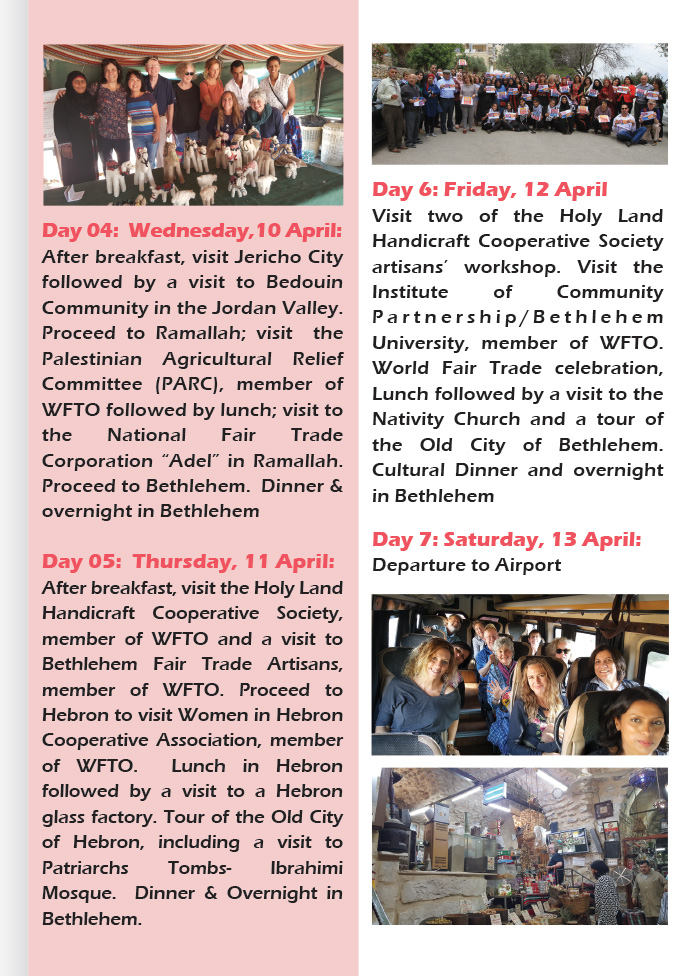
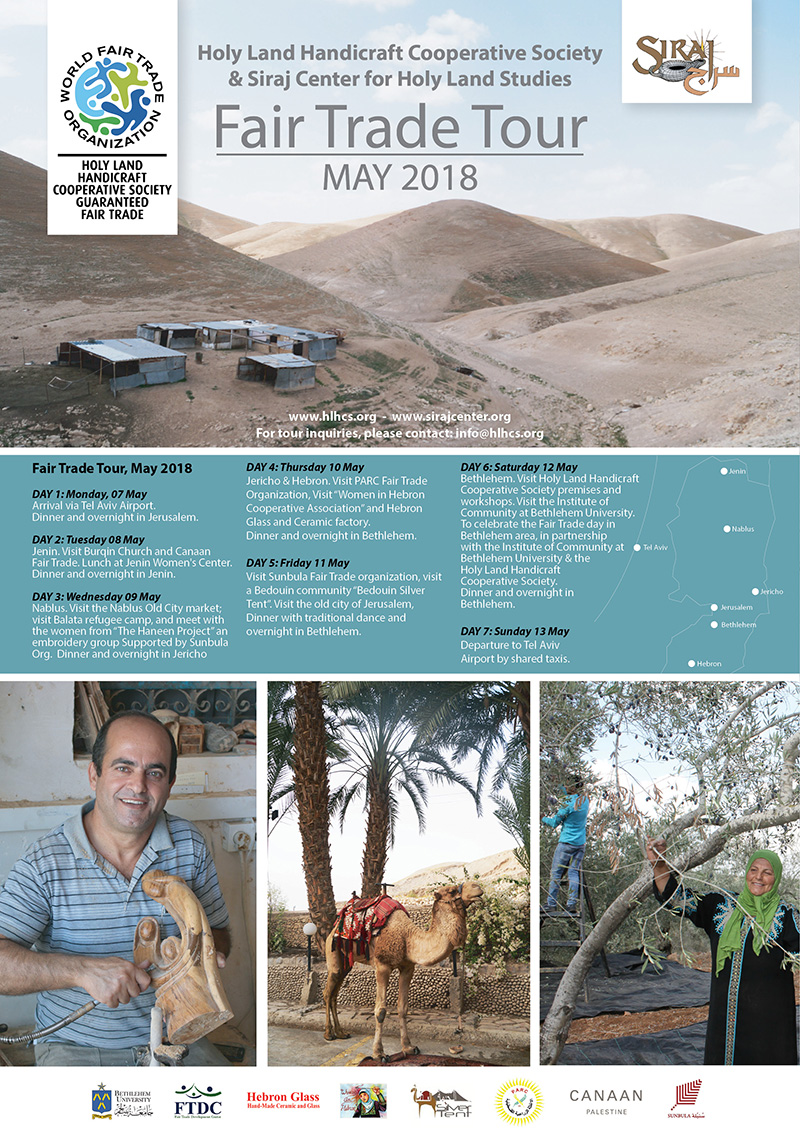
The First Fair Trade Tour of Palestine May 2018

By Carol Wills
In early May 2018, Elizabeth Laskar and I joined the first ever Fair Trade Tour of Palestine, culminating in the celebration of World Fair Trade Day at the University of Bethlehem Fair Trade Resource Centre on Saturday 12 May.
We saw how Fair Trade enterprises support Palestinian traditional culture, preserve traditional crafts and provide thousands of farmers and other producers, many of them women working from home, with a much needed income and with hope that a better life is possible.
Our tour took place in the West Bank (also known as the Occupied Territories) where Palestinian Fair Trade producers live and work in extremely difficult circumstances under a military occupation that has gone on for over 50 years. Alongside our Fair Trade visits we heard many heart breaking stories of people who had lost loved ones and suffered injustices. On top of this, the economic situation is harsh and unemployment is high.
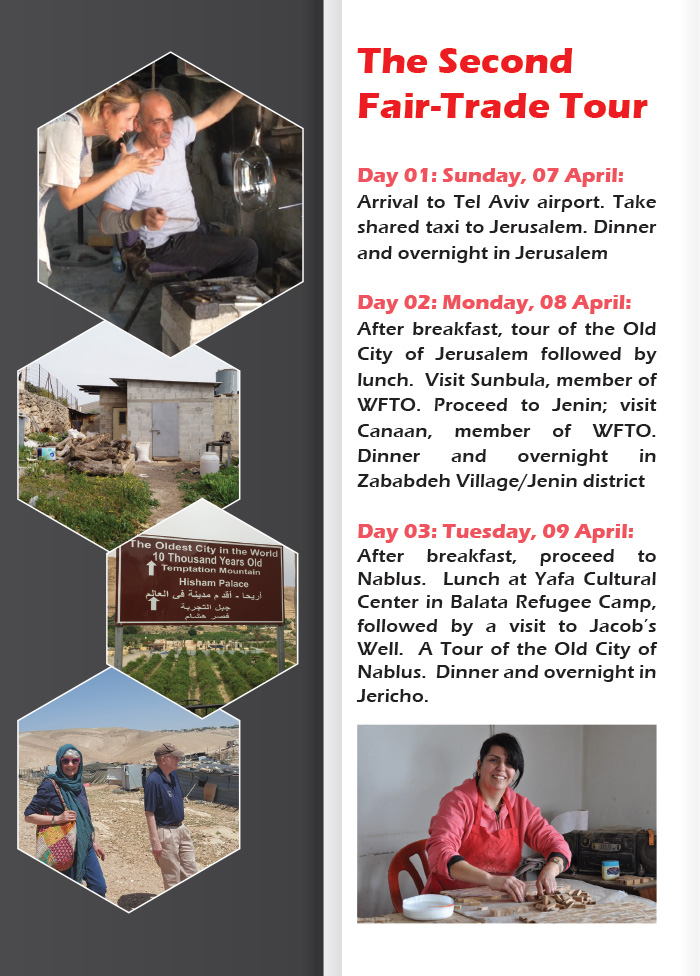
Nevertheless, we were made hugely welcome wherever we went, drinking little cups of mint tea and very strong black coffee and eating enormous quantities of local couscous, hummus and tomato, cucumber and mint salad. Our tour started at Canaan Fair Trade which produces the olive oil sold by Zaytoun and where we enjoyed an olive oil tasting before touring the impressive facility. It is a cooperative of more than 2000 olive farmers.
At the Palestinian Agricultural Research Centre in Jericho, a member of the WFTO, we saw how grapes are dried to produce Fair Trade sultanas and raisins and met a group of women rolling couscous by hand. The Women of Hebron Cooperative Association produces fine, traditional embroidery and backstrap loom woven wool carpets. Most women work from home but come to the Centre with their work, to attend meetings, take part in decision-making and have the chance to gossip. Men work at the Hebron glass and ceramic factory nearby, where Traidcraft places orders.
In Jerusalem we visited Sunbula Fair Trade, also a WFTO member, working to bring fresh designs and colour to traditional embroidery and providing an income to several thousand women. Sunbula means “spike of wheat” in Arabic (i.e. the flower that makes bread) and Sunbula’s mission is to provide its producers with the gift of a more dignified life.
Finally we reached Bethlehem and the Holyland Handicraft Cooperative Society where we saw some fine olive wood carving in their magnificent shop by the Field where the shepherds watched their flocks by night not far from the appalling wall where Banksy has his Walled Off Hotel.
On World Fair Trade Day we donned traditional Palestinian dress to celebrate at the University.
We came home convinced that if Palestinians are going to have any chance of a sustainable future at all, we must tell their stories and buy their products.
Source: Oxford Fair Trade City
“Handicraft Workshop Development” - AGENT FOR CHANGE

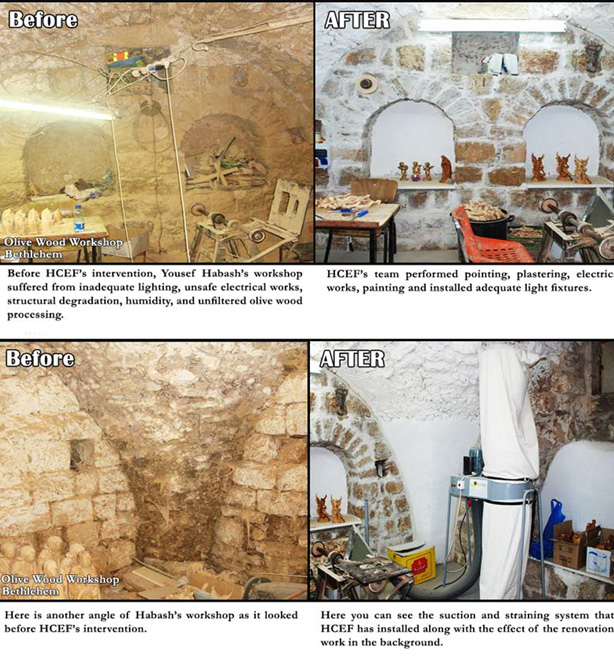
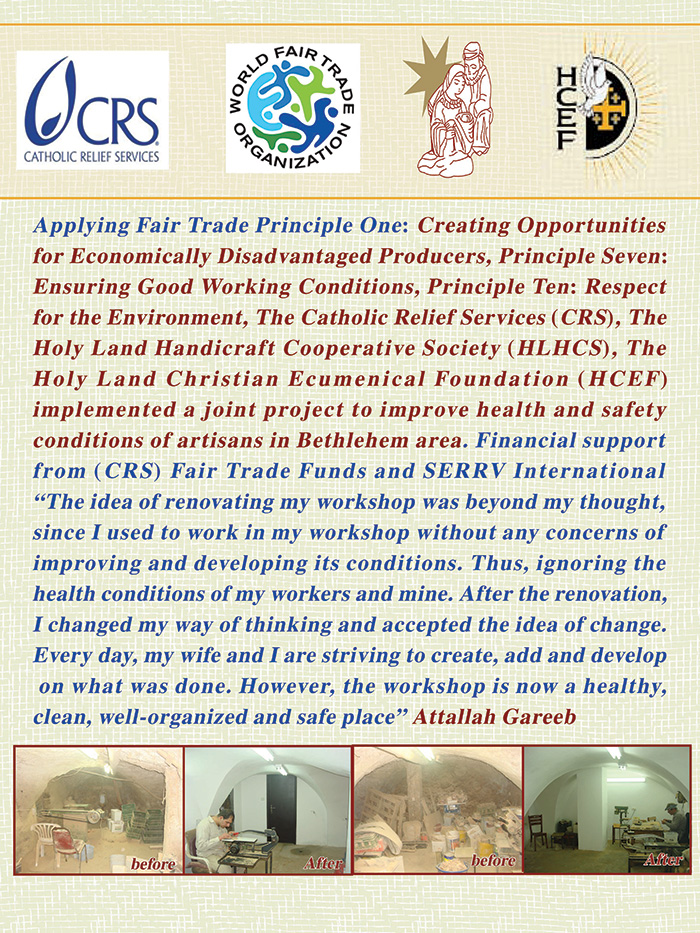
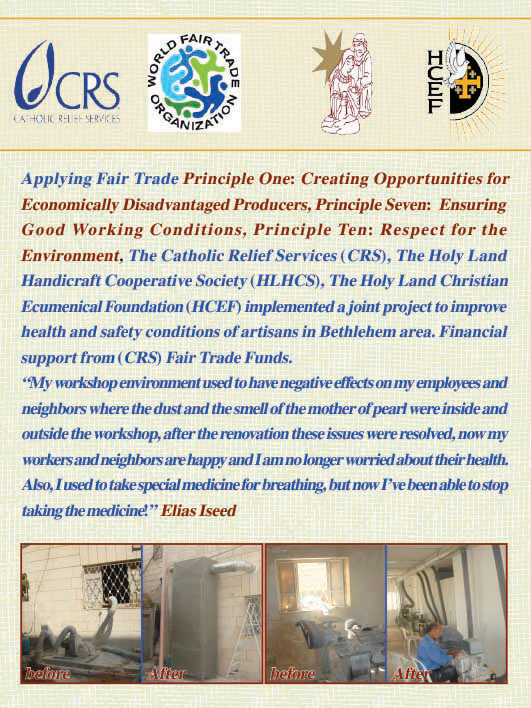
In partnership with the Catholic Relief Services (CRS), The Holy Land Handicraft Cooperative Society (HLHCS) The Holy Land Christian Ecumenical Foundation (HCEF) implemented a joint project to improve health and safety conditions of artisans in Bethlehem area with the generous financial support of CRS- Fair Trade Funds, followed by SERRV International, Ten Thousand Villages and Initiative Christlicher Orient
The Handicraft Workshop Development Project intervened in response to the crucial need to the handicraft industry in Bethlehem area where it is a source of pride and economic welfare for the Palestinian people, handicraft workshops need help in preserving their vital tradition. Unfortunately, while artisans produce beautiful works, their health and safety are put at risk by their work environments. They utilize inefficient equipment, operate amid poorly configured and exposed electrical works, and breathe in fine particles as they work, leading to large health costs down the line.
The renovation of handicraft workshops creates a sense of pride in the workers and attracts new generations to the craft, allowing Palestinians to sustain and revitalize their handicraft tradition. These workers can now work in safe, healthy environments without fear of long term health risks, and this also leads to high productivity and better quality products. And parents in the surrounding neighborhoods can breathe easy knowing their children can play outside in clean, fresh air. Additionally, Palestine is able to maintain an essential aspect of its economic viability since olive wood and mother of pearl production are unique to the area, attracting local and international buyers alike.
From 2013 to 2018 we were able to renovate 14 handicraft workshops in the Bethlehem area, creating job opportunities and changing the lives of direct and indirect beneficiaries.
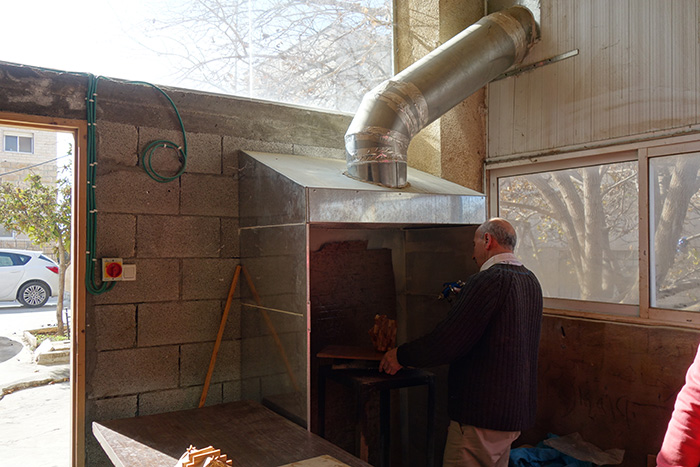
Worked done was suction systems, painting rooms, renovations, which prevents the fine particles of olive wood and mother of pearl production from entering workers’ lungs or polluting the local environment. It is estimated that over 1000 members of the local communities will benefit from the reduction in pollution.
For this reason the Holy Land Handicraft Cooperative Society would like to highlight the importance of this Project “Handicraft Workshop Development” in applying one of the FT ten principles “Principle One: Creating Opportunities for Economically Disadvantaged Producers, Principle Seven: Ensuring Good Working Conditions, Principle Ten: Respect for the Environment.
1. Yousef Habash, olive wood workshop owner, said: “We were working in miserable conditions, as if we were in the Stone Age. That’s how crude my shop seemed. In fact, it got so bad that my workers started asking to take their projects home. But now, with the renovations and new system installed, it is a thousand times better. My workers are actually excited to come to the shop, feeling a greater sense of dignity under the new working conditions!”
2. Jeries Al–Atrash, also an olive wood workshop owner, shared his feelings about the renovation: “The main change my workers and I have noticed is the affect the new system has on the shop. Everything feels much cleaner as we work, and there’s no longer a lingering sense of anxiety about how our health may suffer. We have peace of mind now.
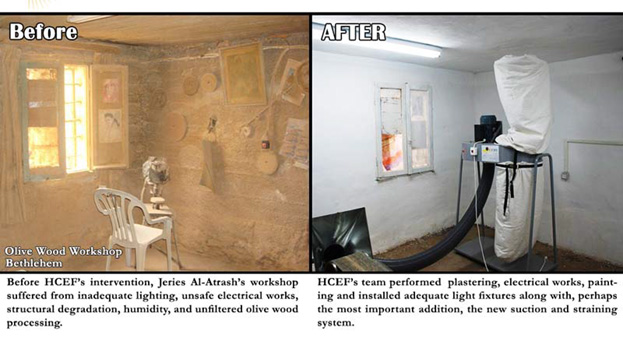
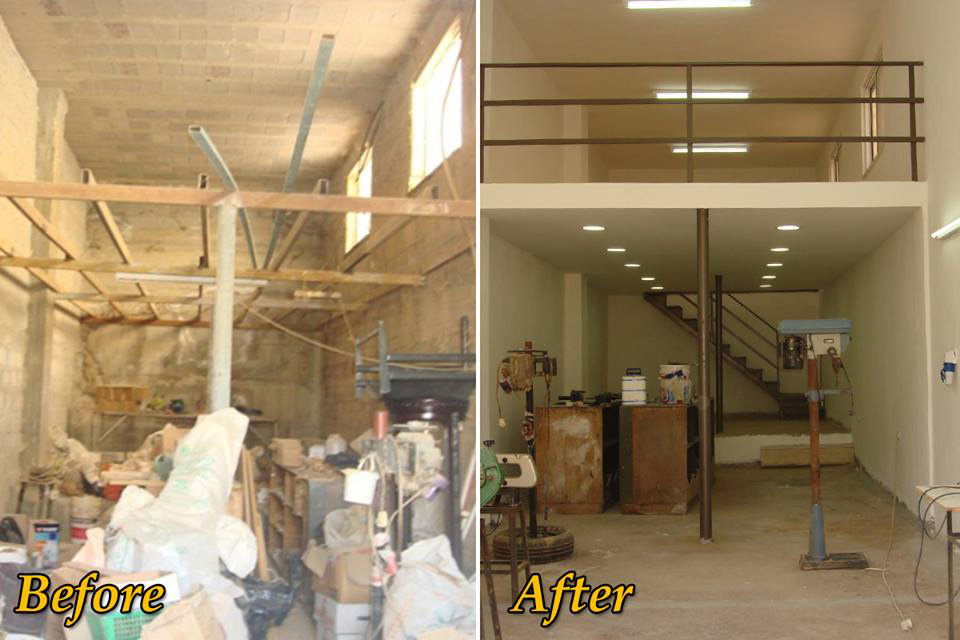
3. Waseem Musleh, stated, “When I went to my workshop, I was feeling as though I was going to die there. The sawdust was piling up, the building structure was unstable, and I was operating dangerous machines with very little lighting. But now everything is well organized, the building is secure, there’s plenty of light and ventilation, there’s electricity. I want to thank everyone who was involved in making this dream a reality for me and my family.”
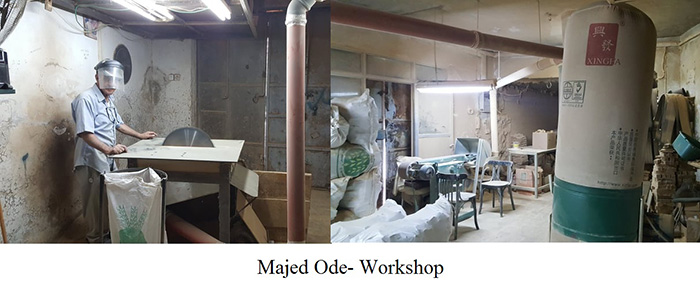
4. Majed Odeh, commented: “We had no suction system in the painting area. I didn’t want to expose any of my sons to the toxins—I’m old, but they still have their lives ahead of them. So for years I was doing the painting by myself, inhaling the toxins. Now, with the suction system, we can do our work without worrying about getting sick.”
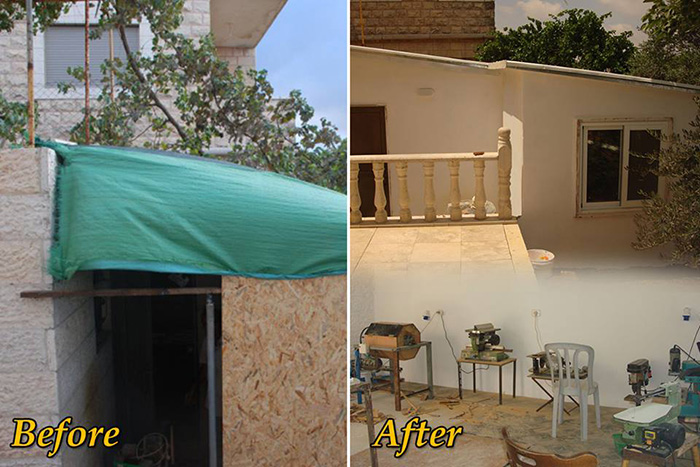
5. Nicola Sansour, a school teacher and workshop owner also commented: “I just got a new order for olivewood crafts, and I’m really excited to work on it in my new workshop. This rehabilitation gives me hope for life.” Until the project, Mr. Sansour had been working in a makeshift workshop made of tarp and corrugated metal outside his home.
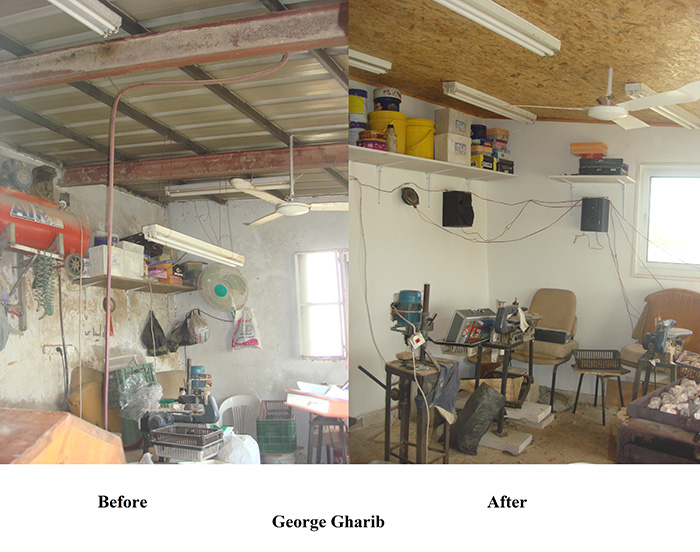
6. George Gareeb Workshop “During winter and summer seasons, I used to face real temperature problems, since I have serious kidney problems. However, after the installation of the ceiling and change of the windows, lighting system improvement, painting of the workshop, I now live a healthier place and I thank god as this will nourish my work and keep me safe”.
7. Raja Banoura Workshop “My employees were suffering from breathing issues, and they used to refuse to paint in the small room due to the hard smell and they used to paint outside which severely affected the neighbored and caused problems. However, after adding the suction system, my employees are working and painting in a more comfortable and healthy way without affecting the neighborhood. I really thank everyone who supported and helped me in all the changes”.
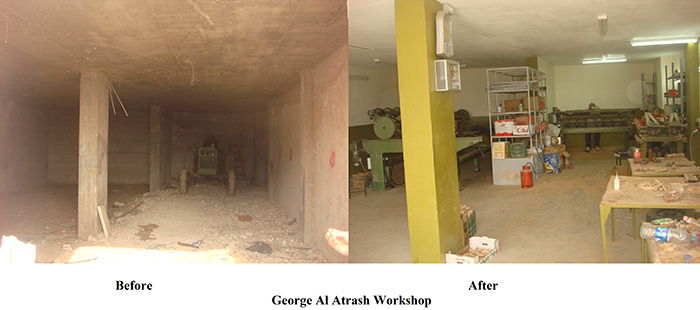
8. George Al Atrash Workshop, My workshop environment used to have negative effects on my employees. Less productivity, humidity and working away from each other has taken a huge toll on my employee’s health and productivity. But now, a more clean, well-organized and safe atmosphere has emerged after the renovation. I am now aware of safety systems needed. Also, the sun perfectly shines from the windows and the lightening has been much better for work and productivity. I really appreciate what has been done and I will do my best to maintain and improve the current situation”.
9. Hanna Iseed Workshop, Before working in the shop was very difficult. It would get too hot and the dust would make breathing very difficult. But now after the new installations, I can breathe easy as I work and it doesn’t feel as hot with new installation in the ceiling.
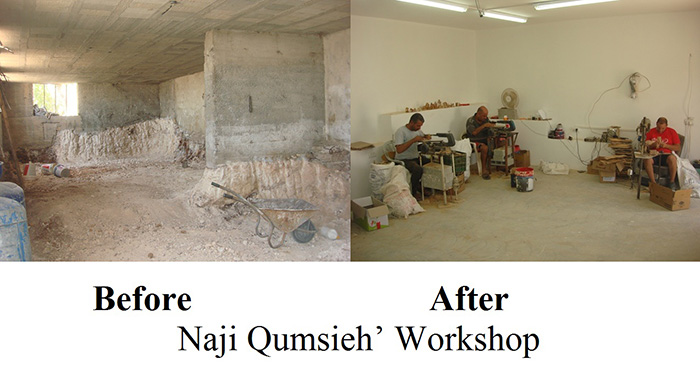
10. Naji Qumsieh’ Workshop my workshop was small and it was not easy for the workers to move among the equipment. Even the dust made it not safe for them to work so close together. Now that the workshop is expanded, it’s given my workers much more space to work their projects. The new electricity work has made the lighting much better and safe. After the floor was resurfaced with concrete and the walls and ceiling were plastered, the dust is much less than before. Also, a new W.C was installed, Overall, the work environment is much more enjoyable for everyone,, my God, this changed our way of life.
11. Attalah Ghareeb
12. Karam Iseed
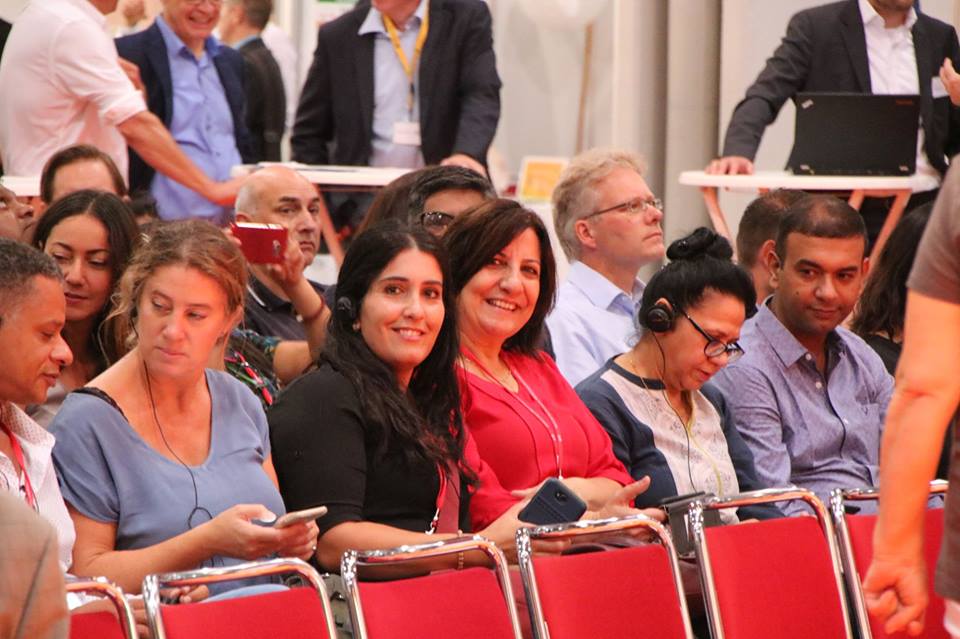
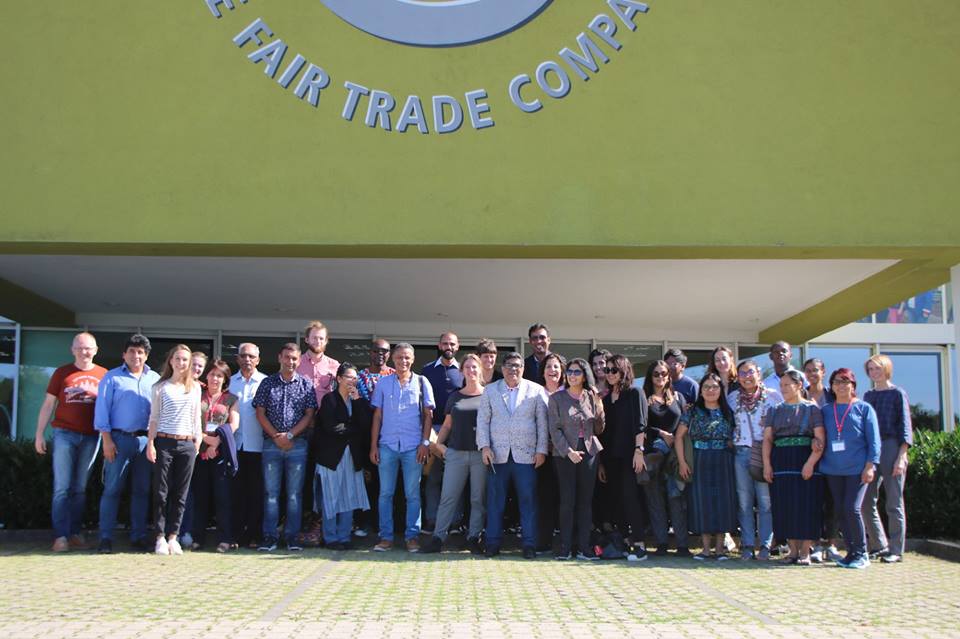
Meeting the Giz Fair Friends 2018 Global Community. Great experience

We are very grateful to GIZ in Germany for organizing the wonderful program, including the build-up business education and creation of business. It was way beyond my expectations. Warm thanks to Dr. Berthold, Ann, Lars & other GIZ team’ members.
Thanks to all the participants, we made an excellent team from the 2nd to 12th Sep. It was an extraordinary experience.
CNEWA & HLHCS May 2018

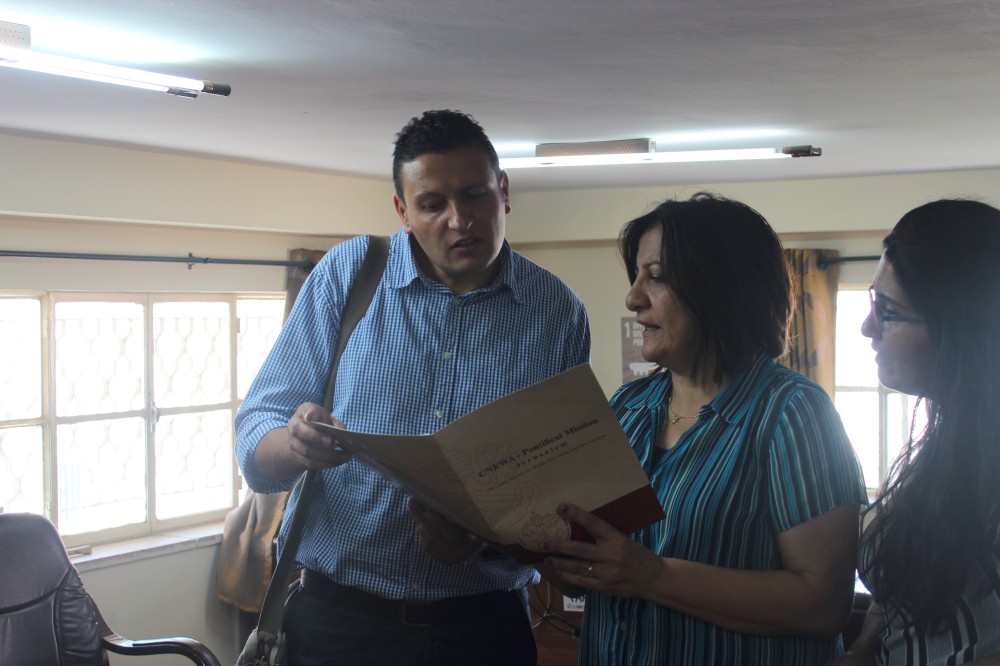
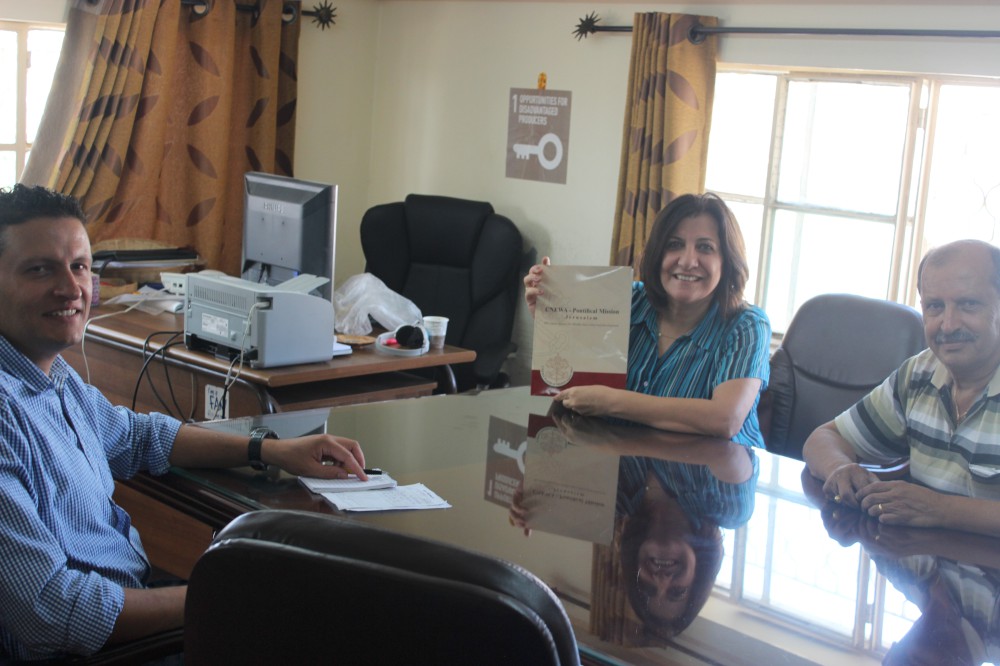
CNEWA - Pontifical Mission signed agreements of cooperation with 14 local community-based institutions under the program, "enhancement of services of the community-based organizations".
HLHCS was one of the beneficiaries.